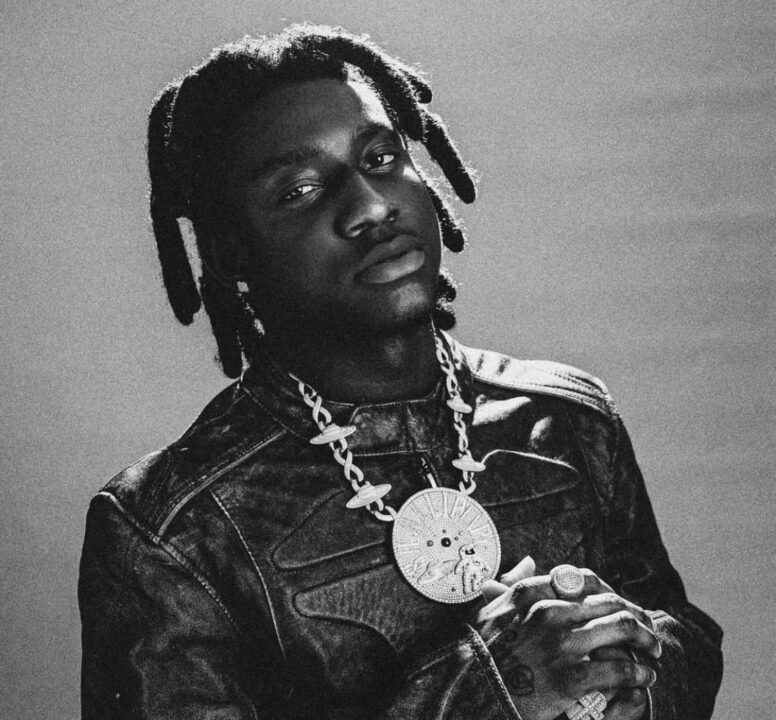
“Laho” is Shallipopi at full tilt—cheeky, confident, and impossible to ignore. The track crackles with Edo language, Nigerian street slang, and global pop-culture references, blending local pride with party-ready energy. Beneath the tequila-fueled fun lies a clear message: don’t confuse relaxed confidence for weakness. In this deep-dive, we explore how “Laho” captures the unpredictable swagger that has positioned Shallipopi as one of Benin City’s most distinctive voices—and why the song resonates far beyond its origin.
The Rise of Shallipopi—From Benin Streets to National Buzz
Shallipopi’s ascent didn’t come from chasing trends; it came from sharpening identity. Rooted in Benin City, his sound wears local culture like a badge of honor. With “Laho,” he doubles down on authenticity—using language, cadence, and attitude that feel lived-in, not borrowed.
H3: A Voice Built on Place
Benin City isn’t a backdrop here; it’s the engine. Streets, junctions, and neighborhoods are evoked as cultural coordinates, anchoring the song in real geography and lived experience. This sense of place turns the track into a sonic postcard—one stamped with confidence.
Humor as Armor
Playfulness is Shallipopi’s shield. He jokes, flexes, and shrugs at detractors, turning humor into a strategic advantage. It’s swagger without stiffness—cool because it doesn’t try too hard.
What “Laho” Means—Language, Slang, and Street Semantics
“Laho” functions less like a dictionary term and more like a vibe. In context, it signals movement, momentum, and a refusal to be boxed in. The word carries rhythm; it’s a chant, a bounce, a shared code among listeners who feel the energy.
Edo Language as Cultural Capital
By weaving Edo phrases seamlessly into the record, Shallipopi elevates local language from the margins to the main stage. It’s not translation that matters—it’s transmission. The feeling travels even when every word doesn’t.
Nigerian Street Slang Meets Global Pop
References to celebrity culture and luxury brands sit beside street talk without friction. This fusion mirrors modern Nigerian youth culture—rooted at home, fluent globally.
Sound Design—Why “Laho” Feels Like a Party You Can’t Leave
From the first beat, “Laho” signals motion. The production leans into bounce and repetition, crafting a hook that sticks like glue.
Minimalism with Intent
The beat doesn’t overcrowd the vocals. Instead, it leaves space—letting cadence and ad-libs do the heavy lifting. The result? A groove that breathes.
Chant-Ready Hooks
The refrains are built for crowds. Short phrases, rhythmic repetition, and call-and-response energy make the track a natural fit for clubs and street parties.
Confidence Without Aggression—A New Kind of Flex
Shallipopi’s bravado doesn’t shout; it smirks. The song draws a line between respect and familiarity—warning rivals not to misread calmness as passivity.
Warnings Wrapped in Wit
Instead of threats, the track offers reminders. The tone stays playful, but the message is firm: boundaries matter.
Fame as a Side Effect, Not the Goal
Mentions of attention and recognition feel observational, not desperate. The posture is “this is happening” rather than “please notice me.”
Tequila, Cameras, and the Theater of Celebrity
Moments of indulgence—parties, cameras, late nights—paint a picture of success in motion. Yet these images never overpower the song’s core identity.
Paparazzi as Proof of Arrival
Cameras symbolize visibility. They mark a shift from local hero to public figure, capturing the thrill and absurdity of sudden fame.
Celebration as Release
The party isn’t escapism; it’s decompression. After the grind, joy becomes a statement of survival.
Mapping the City—Why Specific Places Matter
Name-dropping familiar routes and junctions does more than flex knowledge—it builds trust.
Authenticity Through Detail
Specificity signals truth. Listeners who know these places feel seen; those who don’t feel invited.
Street Geography as Storytelling
Each location functions like a chapter marker, guiding us through the artist’s world without exposition.
The President of Pluto—Myth-Making in Real Time
Nicknames and alter-egos add layers to Shallipopi’s persona. They’re playful, surreal, and memorable—turning branding into world-building.
Humor Meets Authority
Claiming a tongue-in-cheek title blends confidence with comedy. It’s leadership without pomposity.
Building a Universe
These motifs encourage fans to buy into a shared mythos—inside jokes that strengthen community.
Cultural Impact—Why “Laho” Travels So Well
Despite its local roots, “Laho” travels because emotion travels. Confidence, joy, and defiance are universal.
Dance as a Universal Language
Even when lyrics are unfamiliar, rhythm translates. Movement becomes meaning.
Diaspora Connection
For Nigerians abroad, the song functions like a bridge—reconnecting them to home through sound.
Lyrical Economy—Saying More with Less
The writing favors punch over paragraphs. Short lines, repeated phrases, and sharp imagery keep momentum high.
Repetition as Power
Repeating a phrase isn’t filler—it’s reinforcement. Each return strengthens the hook’s grip.
Ad-libs as Personality
Offhand comments and vocal flourishes add texture, making the performance feel spontaneous and alive.
Fashion, Fame, and the Look of Confidence
Style cues matter. They signal taste, access, and self-belief.
Visual Flex Without Excess
The references feel curated, not cluttered—enough to paint a picture without drowning it in logos.
Confidence as the Real Luxury
The ultimate flex isn’t the brand—it’s the attitude wearing it.
Rivalries, Respect, and Street Codes
The song’s warnings are rooted in street etiquette. Respect is non-negotiable; familiarity is earned.
Calm Doesn’t Mean Soft
This refrain echoes throughout the track—coolness as control, not complacency.
Humor Keeps the Peace
By laughing first, Shallipopi disarms tension while maintaining authority.
Performance Energy—Why “Laho” Works Live
On stage, “Laho” becomes communal.
Call-and-Response Built In
The structure invites audience participation, turning listeners into collaborators.
Tempo That Carries the Room
The pacing sustains energy without exhausting it—a DJ’s dream.
Production Choices That Age Well
Trendy sounds fade; fundamentals last.
Clean Mix, Clear Intent
Nothing fights for attention. Each element knows its role.
Timeless Bounce
The groove leans classic, ensuring replay value beyond seasonal hype.
Why “Laho” Matters in Nigerian Pop Right Now
The track represents a broader shift—regional voices commanding national stages without dilution.
Local First, Global Next
Authenticity scales. When artists start at home, the world listens longer.
Humor as a New Power Tool
Confidence wrapped in comedy feels fresh in an era of forced bravado.
Lessons Emerging Artists Can Learn from “Laho”
- Lean into your language—emotion beats translation.
- Keep hooks simple—clarity wins.
- Build a persona—myth makes music sticky.
- Respect the street code—calm confidence lasts.
Final Thoughts—The Unpredictable Swagger That Sticks
“Laho” succeeds because it doesn’t overthink success. It celebrates the moment, guards respect, and invites listeners into a world that feels both specific and universal. Shallipopi’s playful defiance—rooted in Benin City, fluent in global culture—creates a record that moves bodies and minds alike. It’s not just a song; it’s a posture. And it’s one that lingers.
FAQs
1) What is the core message of “Laho”?
The song balances celebration with caution—enjoy the spotlight, but don’t mistake calm confidence for weakness.
2) Why does Shallipopi use Edo language in the track?
It reinforces authenticity, cultural pride, and emotional connection without needing full translation.
3) Is “Laho” designed for clubs or casual listening?
Both. Its chant-ready hooks thrive in clubs, while its personality rewards repeat listens.
4) How does “Laho” reflect Benin City culture?
Through specific place references, language choices, and street-coded respect narratives.
5) What sets “Laho” apart from similar party records?
Its humor-forward confidence and local-first identity give it lasting character.